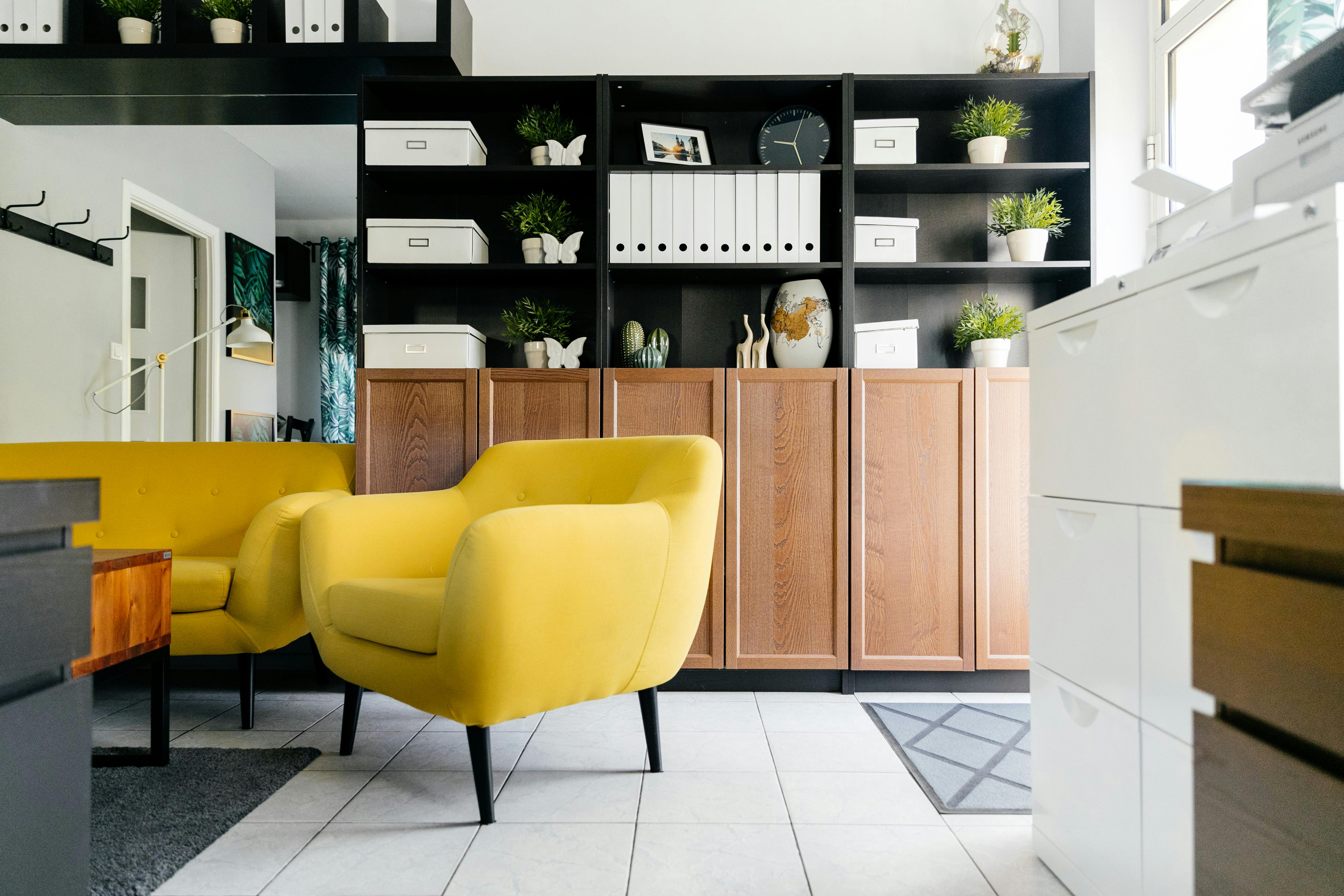
Proportion is one of the most subtle yet influential principles in interior design. It governs how spaces feel the moment you enter them, often before any specific detail is consciously noticed. When proportions are well considered, a room feels calm, comfortable, and intuitive. When they are not, even the most beautiful materials or furniture can feel unsettling or out of place. Proportion connects architecture, furniture, and objects into a unified whole.
Balance within a space does not rely solely on symmetry. Instead, it emerges through the careful distribution of visual weight, contrast, and repetition. A large, solid element may be offset by lighter materials or negative space, creating harmony without rigidity. This approach allows interiors to feel dynamic yet stable, offering visual interest while maintaining a sense of order and ease.
Furniture selection plays a key role in establishing proportion. Pieces that are too large can overwhelm a space, while those that are too small may feel insignificant or disconnected. Scale should always respond to the dimensions of the room as well as the height, light, and architectural character of the space. When furniture is chosen with these relationships in mind, it reinforces the overall balance rather than competing with it.
Well-proportioned interiors feel resolved, even when they are minimal. There is a sense that nothing more is required and nothing could be removed without disrupting the whole. This quiet completeness allows spaces to be experienced comfortably over time, supporting both daily use and moments of rest. Proportion and balance are not about perfection, but about creating environments that feel naturally right.