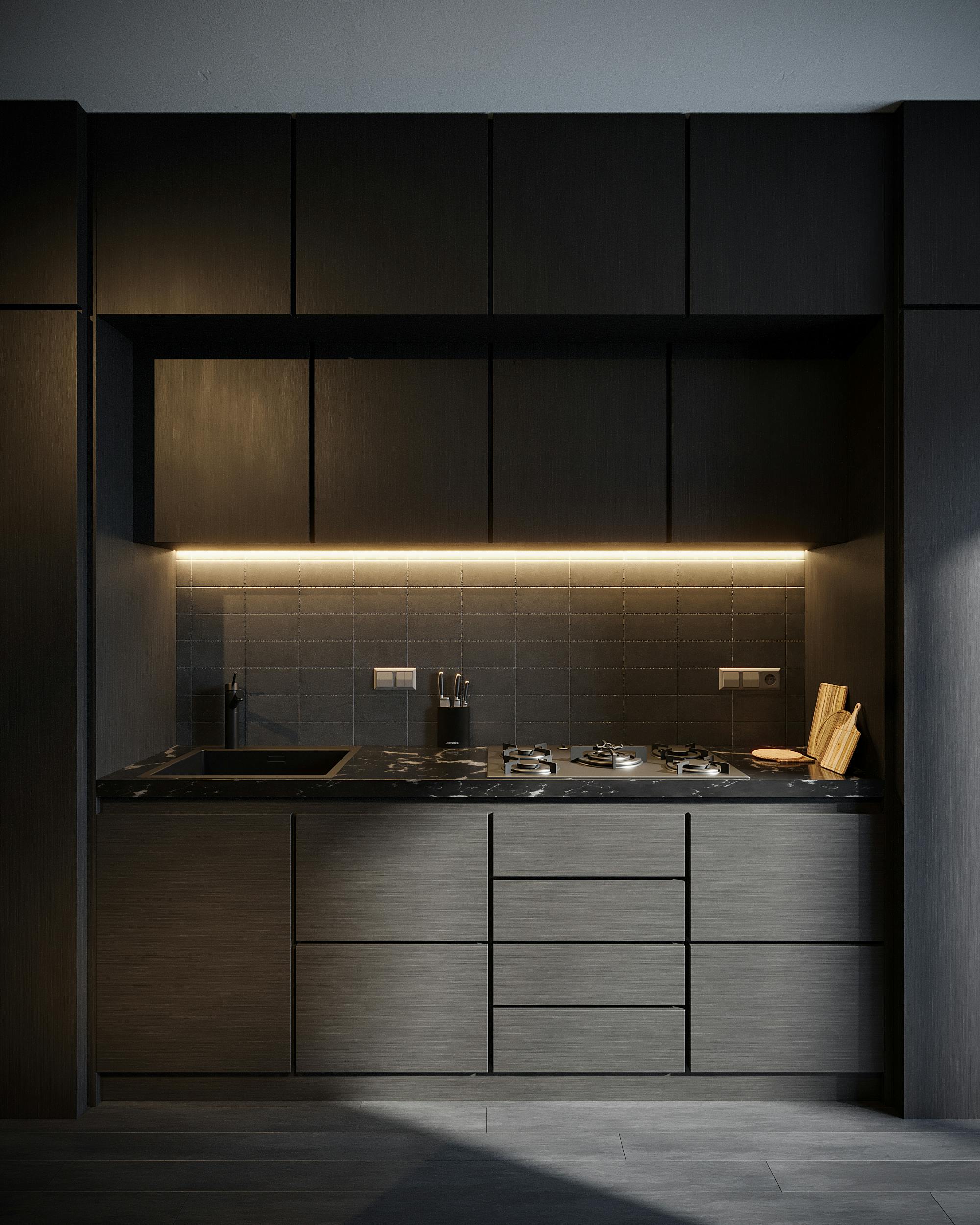
In a world that moves faster each year, our homes and workspaces play a crucial role in how we feel, think, and recharge. Interior design is no longer only about aesthetics — it is about shaping environments that support mental clarity and emotional balance. Calm spaces are created through restraint, thoughtful choices, and an understanding of how light, proportion, and material interact throughout the day.
Simplicity does not mean emptiness. Instead, it is about removing what is unnecessary so that what remains can breathe. Neutral palettes, natural materials, and considered layouts help reduce visual noise, allowing a space to feel grounded and intentional. When every element has a purpose, the space naturally feels calmer and more cohesive.
Light plays a particularly important role in creating a sense of calm. Natural light changes throughout the day, influencing mood and perception. By designing spaces that respond to light — through sheer textures, soft finishes, and open layouts — interiors can feel alive while remaining serene. Artificial lighting should complement this rhythm, offering warmth and balance rather than harsh contrast.
Ultimately, calm interiors are deeply personal. What feels peaceful to one person may feel empty to another. The goal of thoughtful interior design is not to impose a fixed aesthetic, but to listen, observe, and translate individual needs into spaces that feel supportive and lasting. Calm is not a trend — it is a quality that endures.