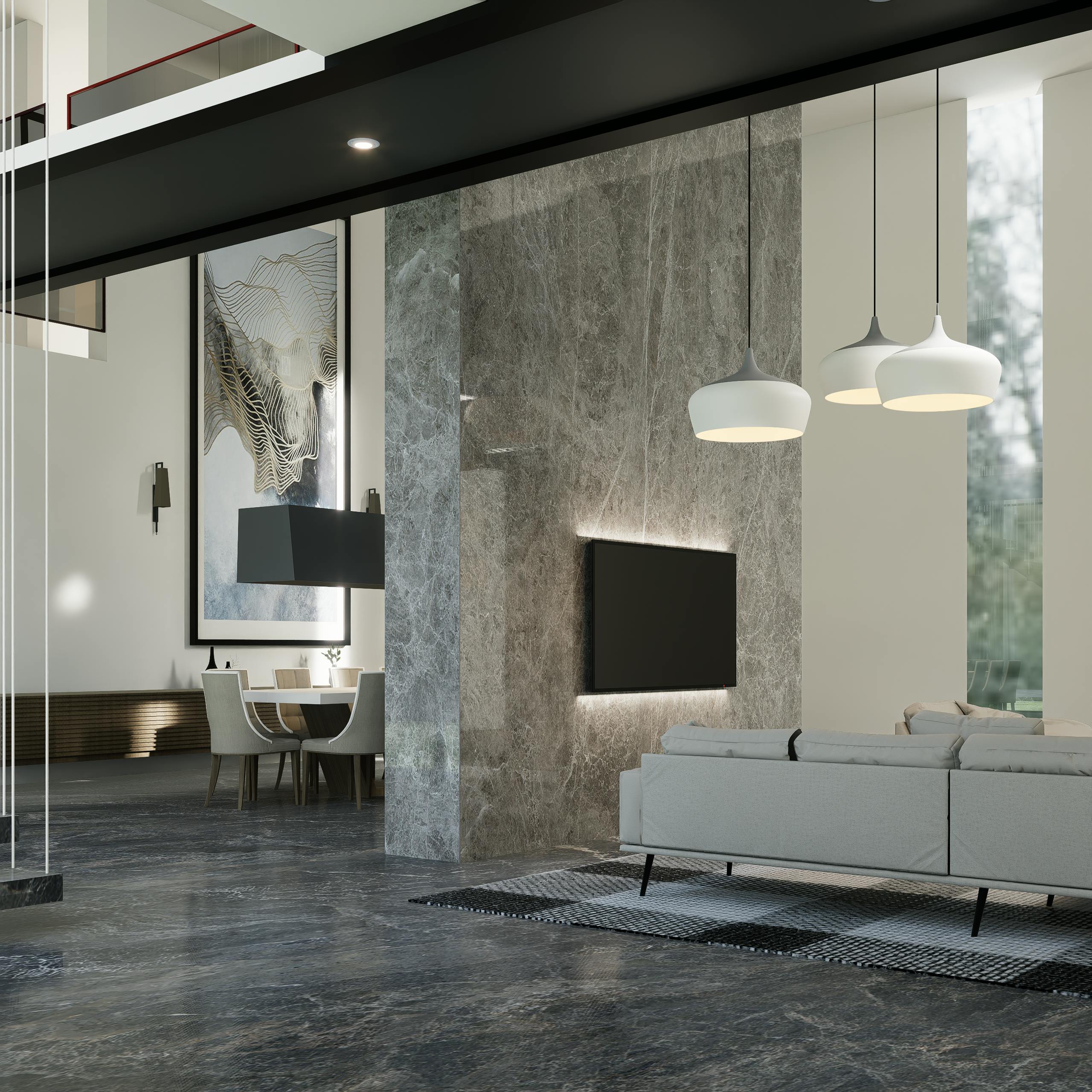
Function is often misunderstood as something that limits creativity, but in reality, it provides the structure that allows beauty to exist naturally within a space. Interiors that function well feel effortless, because every element has been considered in relation to how the space is actually used. From circulation paths to furniture placement, functional design ensures that daily routines unfold smoothly, without friction or unnecessary complexity.
Thoughtful layout planning begins with observation. Understanding how people move through a space, where they pause, and how different activities overlap allows designers to create environments that feel intuitive rather than imposed. Clear zoning, balanced proportions, and logical transitions between areas help spaces feel open yet defined. When function is carefully resolved at the planning stage, the visual language of the interior becomes calmer and more cohesive.
Storage plays a critical role in maintaining both function and visual clarity. When storage solutions are treated as an afterthought, spaces can quickly feel cluttered and disjointed. Integrated cabinetry, concealed storage, and multi-functional elements allow everyday items to be stored naturally, preserving a sense of calm. By designing storage as part of the architectural language, functionality enhances the aesthetic rather than interrupting it.
When function and beauty are approached as equal priorities, interiors gain a quiet confidence. The space works seamlessly in the background, allowing materials, light, and form to be experienced without distraction. This balance creates environments that feel comfortable, intuitive, and enduring — spaces that not only look considered, but support the way people truly live and work within them.