Light is one of the most powerful tools in interior design, yet it is often underestimated. It defines how we perceive space, color, and texture, and it directly affects how comfortable and functional an interior feels. Natural light, in particular, creates depth and variation that no artificial source can fully replicate.
Designing with light begins by observing how it moves through a space. Morning light is soft and directional, while afternoon light is stronger and more expansive. By understanding these patterns, designers can position key areas — such as seating, workspaces, or dining zones — where light enhances both function and atmosphere.
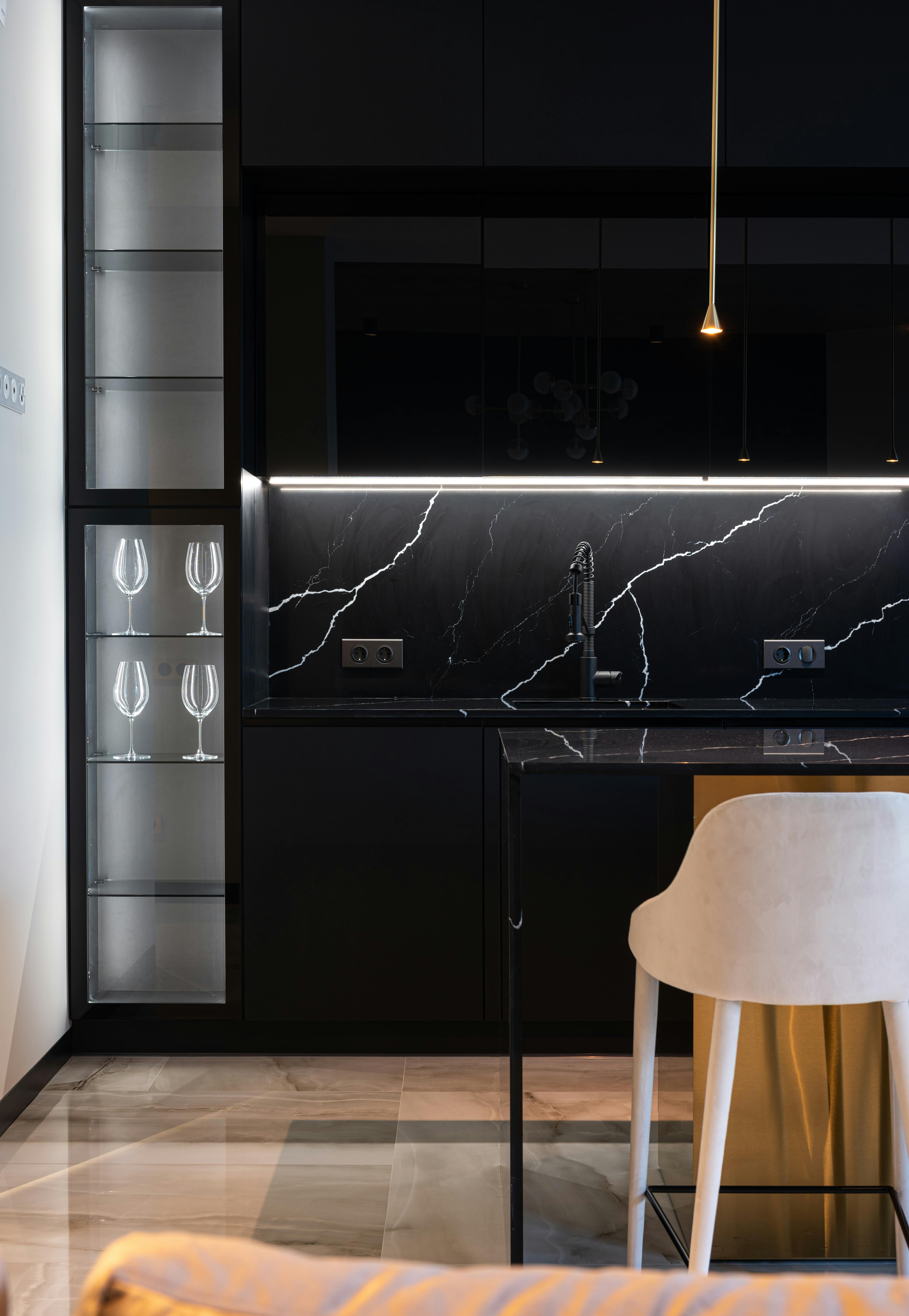
Artificial lighting should be layered and intentional. Rather than relying on a single overhead source, combining ambient, task, and accent lighting allows a space to adapt throughout the day. This layered approach creates flexibility, ensuring that interiors feel equally welcoming in the early morning and late evening.
When light is treated as a design element rather than a technical necessity, spaces gain character and depth. Shadows become part of the composition, materials reveal their true texture, and the overall experience of the interior becomes richer. Thoughtful lighting design transforms spaces from static environments into living, responsive settings.