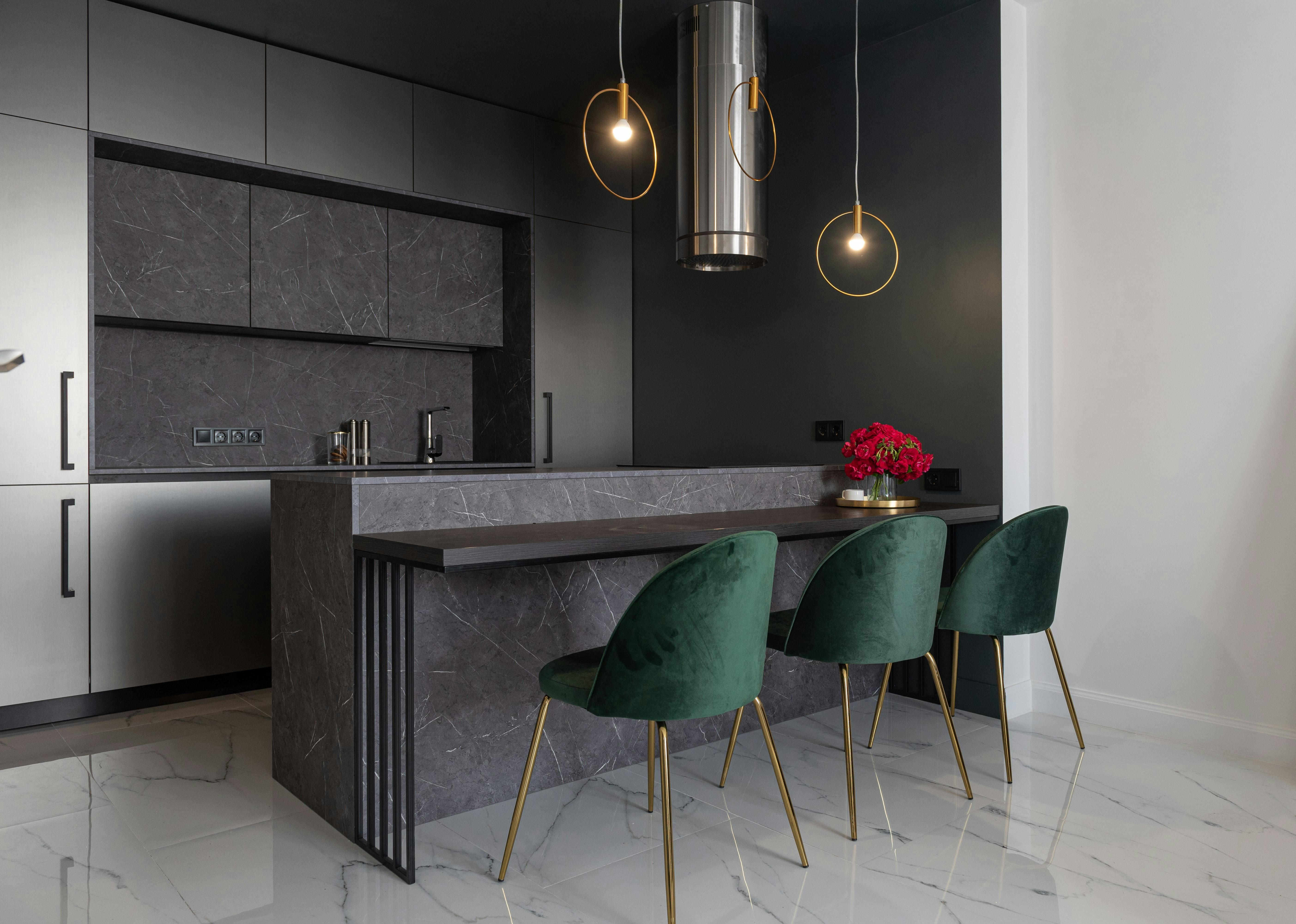
Interiors become truly successful when they move beyond aesthetics and begin to reflect the identity of the people who live or work within them. Personal identity in design is not about following a specific style, but about understanding habits, values, and the way individuals interact with their space on a daily basis. When these elements are considered early in the design process, interiors feel intuitive and familiar rather than staged or impersonal.
Personal expression often reveals itself through subtle choices rather than bold gestures. A preference for certain materials, a sensitivity to light, or the way a space is organized can communicate more than overt decorative statements. By allowing these details to guide the design, interiors gain depth and authenticity while remaining calm and cohesive. The goal is not to overwhelm the space with personality, but to let it emerge naturally through thoughtful decisions.
Designing for personal identity requires a strong underlying framework. Without structure, individuality can quickly turn into visual noise. A clear spatial layout, restrained material palette, and consistent design language create a foundation that allows personal elements to stand out without disrupting balance. This approach ensures that interiors feel curated rather than cluttered, supporting both expression and clarity.
When interiors truly reflect the people who inhabit them, they gain emotional value that goes beyond visual appeal. Spaces feel comforting, familiar, and deeply connected to daily life. Over time, these environments evolve alongside their occupants, absorbing new memories while maintaining their core identity. This lasting connection is what transforms well-designed interiors into meaningful, lived-in places.